
When telling a story, you want to be accurate and represent what really happened. That applies for visual storytelling as well, but artists have plenty of techniques they can use to bring their visions to life, even if it involves deceiving their audience.
In visual storytelling, there are what people call “sins.” They are actions you can take to fake or exaggerate a visual, like an image or graph, with the purpose of making the viewer think they are looking at something they are not or giving them false information. This can be done in many ways, but the most relevant one today is images that are not truthful.
Photographers do this by faking elements in their pictures. They may set up small objects and make them look life-sized. In this image below, it looks like there are old-fashioned cars driving on the road, but in reality, they are miniature cars set up on a table.



Food brands also use unrealistic props to make their food look better in pictures. This picture shows that glue was used instead of milk to show off this cereal. The bowl is also not hollow.
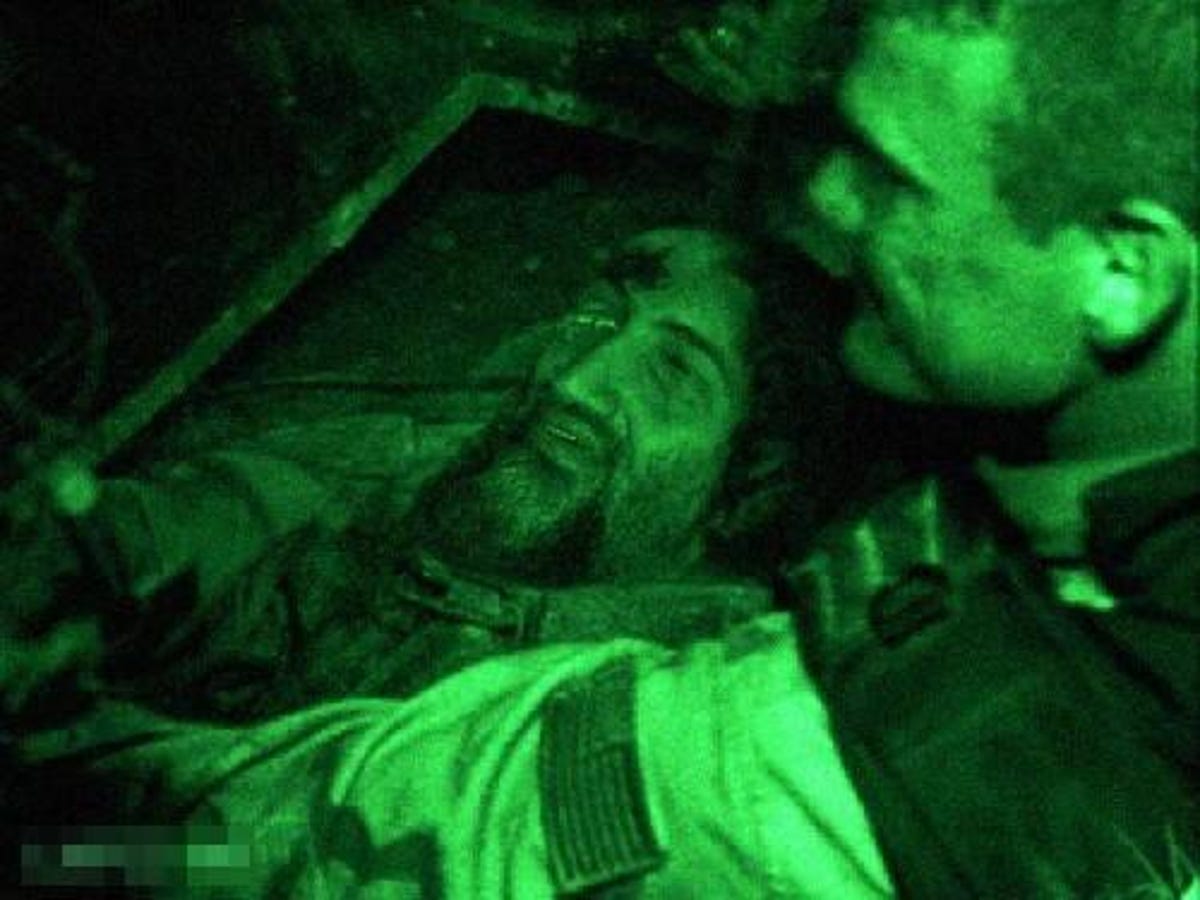
Images can also be faked all together. The event happening in a photo could be completely dramatized and may not have even happened. This image was spread across the internet when Osama bin Laden was killed. It is a fake photo of his body, but sources say it was two images edited together, with at least one coming from a movie scene.
That is an example of editing a photo, which is done by almost everyone nowadays. Anyone with a smartphone can edit their pictures for free, changing the exposure or contrast. This can take a dramatic turn when Photoshop is used.
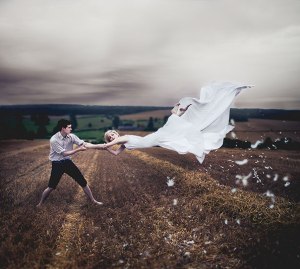
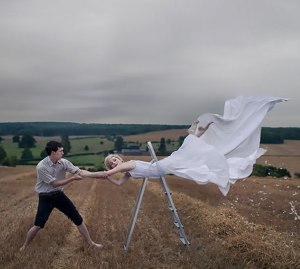
With photoshop, photographers and editors can edit objects out of an image completely. They have the ability to take a picture with someone on a ladder and remove it in post-production, giving the appearance the person is floating.
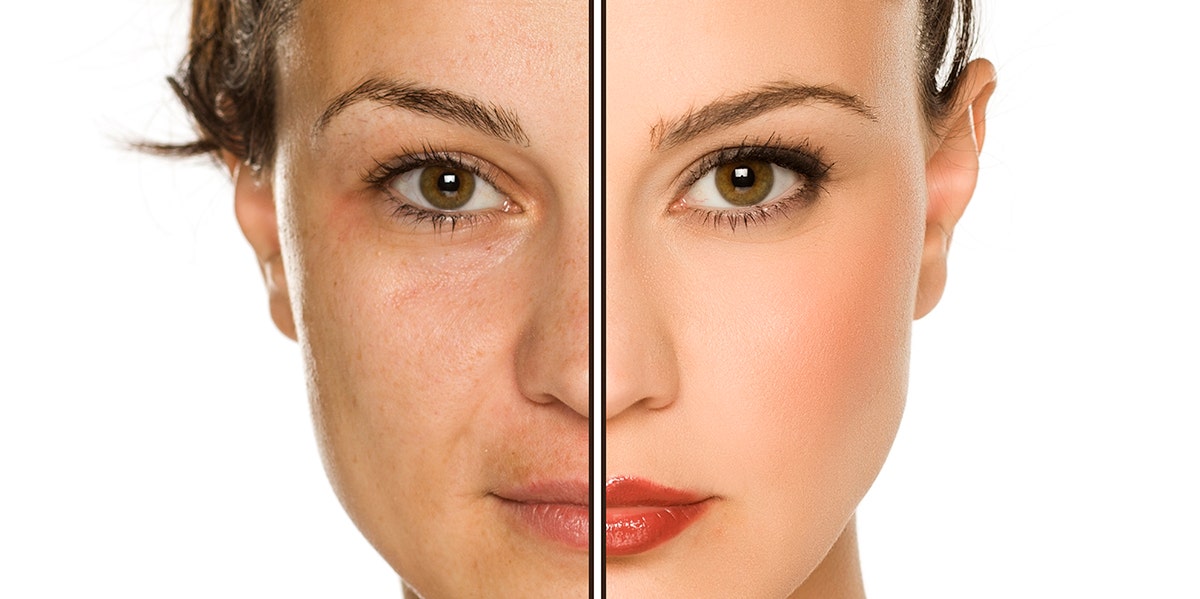
They can also change the way someone looks by making them seem thinner or changing facial features.

Experts know they cannot stop people from editing, but the way they go about presenting their edited photo is the important part.
Why is all of this important? Fake images can spread harmful rumors and lies that can hurt people. They can also create fake memories for people and manipulate the way they think about the world (Eveleth).
It has also led people to distrust the media and artists alike. While there may be photographers showing truthful, powerful images, there will always be someone who can successfully start a hoax (New York Times). Photographers have the power and responsibility to be transparent with their viewers. If they are, they can really make a difference.
Resources
Bar, Š. (2016, October 5). 53 PICS that show photography is the biggest lie ever. Bored Panda. https://www.boredpanda.com/truth-behind-photography-tricks/?utm_source=google&utm_medium=organic&utm_campaign=organic
CNET News Staff. (2011, May 5). Pictures that lie (photos). CNET. https://www.cnet.com/pictures/pictures-that-lie-photos/3/
Eveleth, R. (2022, February 24). How fake images change our memory and behaviour. BBC News. https://www.bbc.com/future/article/20121213-fake-pictures-make-real-memories
New York Times. (2015, October 16). Staging, manipulation and truth in photography – The New York Times. https://archive.nytimes.com/lens.blogs.nytimes.com/2015/10/16/staging-manipulation-ethics-photos/
 Katie Coen

Leave a comment