
Introduction
There is nothing like a comforting meal to make someone feel like they are at home. Meals can bring families together and create a bonding experience unlike any other. They can eat, laugh, reminisce, and make new memories, but the process of cooking the meal can be a recognizable experience too.
Comfort Through Appetite
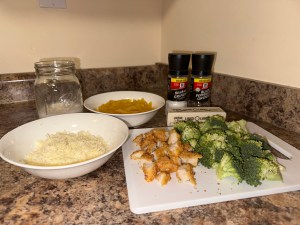
Every recipe starts with simple ingredients. They all have their own flavor and texture. When they are brought together, they become something new. A completed whole.
Before the ingredients become one, they are prepared separately. Produce is washed and chopped. Meat is baked or fried. Carbohydrates are prepared. It’s almost like a “you walk before you run” story. To ensure the final product is the best it can be, you have to take small steps.
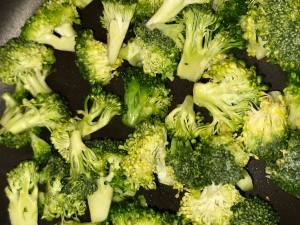
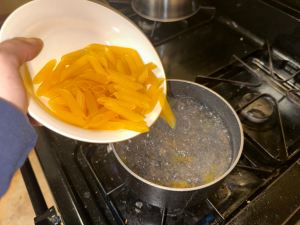
Then comes time to put the puzzle pieces together. The scent of the warm dish fills a house at this point. Your stomach is probably growling. Friends and family might say “Is it ready yet?,” but they will have to wait just a little longer.
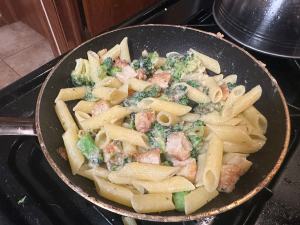
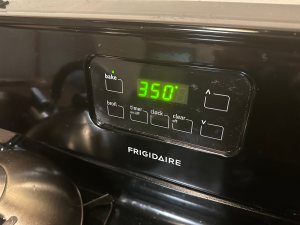
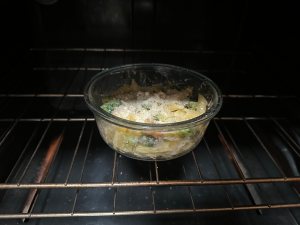
With the click of a button, the oven can turn on. The heat bustles when it’s opened, hitting you in the face with a wave of warmth. Letting the meal simmer and bake makes all the difference. When the timer finally rings and you take it out of the chamber of heat, your mouth may be watering, ready to indulge. The last waiting game is the cooling process, which some skip in eagerness.

Conclusion
In the end, the finished dish is worth all the waiting. It brings comfort to your body and your soul. Sitting around a table eating with the people you love creates joy and long-lasting memories. The experience brings a unique feeling of safety and indescribable love.
Creative Process
The photo essay above focused on the process of cooking a meal is an example of photojournalism, which is the communication of news through images. Photos are used in most journalistic work, even if it’s just a picture in a newspaper or attached to an article online (Shurbaji). They are used so often because the images compliment the stories and people are drawn to visuals, especially in the social media age. Technology and media have led to an increase in visual storytelling (Losowsky). They are also used in connection to a story because a journalism project with more elements makes it more powerful. That is why many journalists, specifically in print, use WED. In “WED: The Integration of Writing/Editing/Design,” Ron Reason says the combination of writing, design, and editing can be used to create a greater impact in a project. The text and visuals work together in coordination to tell a better story.
If we want to get more specific, this photo essay is a narrative. Eman Shurbaji explains that a photo narrative is a collection of photos that fit a theme or communicate what happened at an event in his article “Photo Narratives”. The narrative can give a better idea of a scene and the details than words can. Text and numbers are not as easily understood or memorable compared to visuals (Losowsky). Plus, imagery is better at evoking emotional reactions, grabbing attention, and leaving a long-lasting impression (Dahmen).
As you can see, the photo essay shows the process of cooking a meal. The pictures bring the reader through the process, while the text explains how each step works to make a better end product. To create this, I took pictures while cooking three meals. Out of the three, I felt this dish told the best story. There were 64 images taken throughout the process of making the meal, but I selected only seven that told the story the best.
When taking these pictures, I kept the principles of visual storytelling in mind. In “The four principles of visual storytelling,” Mike Montalto explains that images need to feel real. He tells his readers to capture real life moments that an audience can connect with. He also says storytellers should make the viewer feel something, especially something personal and relevant to their lives. In my photo essay, I tried to relate to the relationship the audience may have with their families. I wanted them to think of the good memories surrounded by food to evoke emotions.
I also tried to focus heavily on design principles, specifically the Gestalt principles of design. For example, in the first image with all the ingredients together, I used a common region. This principle means we think of elements in close proximity to each other as a cohesive group (Bushe).
After taking and analyzing the pictures, I wrote the text that accompanies them. Instead of describing what was happening in each image directly, I used them to tell a bigger story, just as David Campbell explains in “Why it’s time for visual journalism to include a solutions focus”. He says in a photo essay, it is important to focus on the photo’s purpose and impact rather than what it is showing.
The images and text combined tell a larger story, which would not have the same level of impact if one of the elements were missing.
Resources
Bushe, L. (n.d.). Simplicity, symmetry and more: Gestalt theory and the design principles it gave birth to. https://www.canva.com/learn/gestalt-theory/ (Module 2)
Campbell, D. (2019, September 17). Why it’s time for visual journalism to include a solutions focus. Medium. https://witness.worldpressphoto.org/why-it-is-time-for-visual-journalism-to-include-a-solutions-focus-5be15aec3afc (Module 4)
Dahmen, N. (2017, December 2). How to do Better Visual journalism for solutions stories. MediaShift. https://mediashift.org/2017/11/visually-reporting-solutions-stories-newsrooms-classrooms/ (Module 4)
Klanten, R., Ehmann, S., Losowsky, A., & Schulze, F. (2012). Introduction. In Visual Storytelling: Inspiring a New Visual Language. essay, Gestalten. (Module 1)
Montalto, M. (2022, May 12). Worth 1,000 words: The Four principles of visual storytelling. amplifi. https://amplifinp.com/blog/4-principles-visual-storytelling/ (Module 1)
Reason, R. (2002, August 20). Wed: The integration of writing/editing/design. Poynter. https://www.poynter.org/archive/2002/wed-the-integration-of-writingeditingdesign/ (Module 4)
Shurbaji, E. (2014, December 17). Photo narratives. Medium. https://medium.com/learning-journalism-tech/photo-narratives-d77b812f99dd (Module 4)
 Katie Coen
Leave a comment